As a creator, you have unique power at your fingertips – the ability to make something new and to be noticed. But creating something eye-catching alone won’t cut it. You must also focus on making sure it reaches the public. With the right strategies in place, anyone can transform their ideas into reality and enjoy the rewards that come with having an impact. Here are some tips and tricks for getting your work on the map, shared by Alice Robertson of Tidyhome.info.
Invest in Your BHAG
What’s a BHAG? It’s a big, hairy, audacious goal! And your professional goals may feel this way. The good news is that having a BHAG is a great thing. You just have to know how to tackle it and trust yourself to do it successfully! To get started, you can try this. Come up with that 10+ year goal that seems too big to accomplish and use it to motivate you as you put smaller goals in place to get yourself to that amazing end goal. Perhaps the first step is to establish yourself as a business entity, so get started!
Creating a Comprehensive Business Plan
Having a detailed business plan is an essential part of getting your work noticed. It should include what you create, how you will market it, who will help with production and promotion, what materials or services are needed, and how you will fund the project. Once you know where you want to go with your work, it’s easier to determine what steps need to be taken to make it successful.
The Advantages of Establishing an LLC
Forming an LLC (limited liability company) is a great way to protect your artwork and yourself from potential legal issues. An LLC offers protection against personal liability, as well as freedom in making decisions such as pricing without fear of repercussions. It’s a wise investment for creators that want to ensure the success of their business.
Look for Investors
Finding investors can be tough, but it’s not impossible. Creators can find potential investors by connecting with people they know, attending events, researching online, or reaching out via email/social media. To get taken seriously, creators must present a comprehensive business plan complete with financial projections and expected ROI.
Putting Your Portfolio in Order
Creating and organizing a portfolio is an essential step for artists to get noticed by potential buyers or investors. Quality images, organized projects, and descriptive pieces all work together to show what kind of work you have done in the past. Additionally, having a clear understanding between all parties involved before any money changes hands helps ensure that expectations are met from start to finish.
Opportunities to Showcase Your Work
Getting artwork out into the world is a great way to get noticed and make an impact. Local galleries, art fairs, and online contests are all great places to showcase work and gain recognition. Additionally, staying up-to-date on current trends can help inform ideas for upcoming projects, as well as provide insight into what viewers may be interested in. Taking advantage of these platforms is an ideal way to get artwork out into the public eye and start making a name for oneself.
Make Your Own Flyers as a Retro Marketing Strategy
Flyers are a great way to advertise and make people aware of your work. They are simple and cost-effective, with no setup required and easy distribution. By hanging flyers in strategic areas, you can capture an audience who may not be seeking art pieces online. Flyers give them the opportunity to view your artwork up close, letting them decide for themselves if it’s something they want to learn more about.
Set Your Goal and Take Steps to Achieve It
Marketing yourself as an artist is no easy task. It requires a variety of different elements – from setting up an LLC to finding potential investors and building portfolios across several platforms. Doing all this correctly gives creators the tools they need to get their artwork seen by as many people as possible, while also keeping it unique and ensuring success in whichever direction they decide to go.
Alice Robertson first stepped into the home organization industry as a seasoned house cleaner. After years of bringing order and cleanliness to her clients’ homes, she felt inspired to launch her own business. Over time, she has curated an extensive portfolio of clients, transforming their residential and commercial spaces into more efficient areas. She eventually established Tidy Home, a platform designed to share her wealth of cleaning and organizing wisdom gathered over her career.



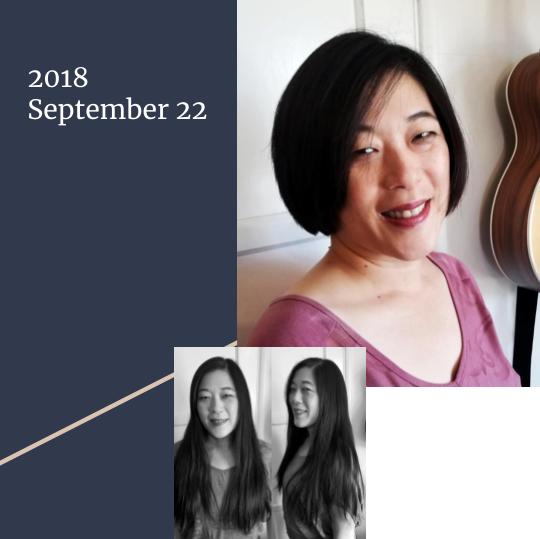

 MICHELLE CHIANG