
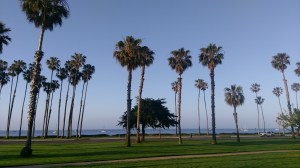
After the success of last year’s first American Riviera Design Conference, ASID Los Angeles Chapter once again held the event in beautiful Santa Barbara, California this year.
The weather was perfect. The format followed last year’s event with an improved scheduling and more presentations. It was great to spend time with friends I already knew and made new friends. It was a tremendous effort of the organizers, sponsors, presenters and the attendees to made the two-day conference go smoothly.
Another mission of this year’s conference was to support the local communities that have been severely impacted by fire and flood. ASID LA held a raffle with 75% of the proceeds benefiting the Santa Barbara Bucket Brigate.
Below is the event timeline. I have added links for quick access.
Thursday, June 7th, 2018
11:00 am – 1:00 pm – Kick off Lunch
Riviera Ballroom at The Canary Hotel
11:15 am – Speaker: Ed Paulsen and Lisa Masino, Kravet Fabrics
“Modern Tailor”
12:15 pm – Speakers: Shannon Ratcliffe and Venessa Kogevinas, LUXE Interiors + Design
“Mad for Marketing”
My takeaway from the LUXE presentation was sending follow-up emails to new contacts right after the events no matter how tired you are. I always thought it was best to wait until the next business day, and I almost always got so busy and procrastinated until it didn’t make sense to email those people.
1:30 pm – 3:00 pm Tour Kogevina’s Luxury Properties Landmark Estate, “Robledal”, situated in the most exclusive part of Hope Ranch
3:30 pm – 5:00 pm Tour of Armstrong Associates Arlington Village Santa Barbara, a mixed-use residential and commercial development
Architects: Peikert +RRM Design Group
5:30 pm – 7:30 pm – Luxe Interiors + Design Reception
Champagne Reception and hors d’oeuvres
Speaker/CEU: Julie Arcelay, Sub-Zero, Wolf, and Cove
“Luxury Outdoor Kitchens”
Friday, June 8th, 2018
9:00am – 10:30am – Breakfast and Presentation
Presentation: Raina Cox & Eric Runner, Farrow & Ball Inc.
11:00am – 1:00pm – Lunch & CEU’S
Pullman Room at The LARK
11:15am- 12:00pm Speaker/CEU: Barry Cik, Naturepedic
“Flame Retardant in Home Furnishings”
12:00pm-12:45Pm Speaker/CEU: Guy Elston, Morris Tait Associates
“Disguise and Hide- Designing for Technology”
1:30 – 3:30pm – Montecito
William Laman, Furniture Garden Antiques
Elizabeth Ribons- Walking Antique Tour in Montecito
The list of shops curated by Elizabeth Ribons can be download from http://www.mentormeresource.com/ when you provide your name and email.
4:00pm – 7:30pm – Tour of SBIFF The Riviera Theatre, and Movie
4:30 Speaker/: Shelby Fowler, Sherwin Williams
4:45 Speaker/: Leslie Delli-Venneri, Victoria + Albert
5:00 pm -7:30 Movie: RBG, Ruth Bader Ginsberg

























































 MICHELLE CHIANG